Fly direct to Akureyri and wake up among whales, waterfalls and warm geothermal water, the corner of Iceland most travelers never reach.
Akureyri, Mývatn, Húsavík, Goðafoss and Dettifoss, gathered into one easy base for an unforgettable Iceland.
Most visitors picture Iceland as a loop out of Reykjavík. The NorthEast quietly holds some of the country's biggest moments, Europe's whale-watching capital, a powerhouse of waterfalls, steaming geothermal valleys and some of the clearest northern-lights skies anywhere on the island. Best of all, you can fly straight into Akureyri and be among it within the hour.
This is wide-open, almost-alone travel: short transfers, friendly towns, and big nature that feels like it belongs just to you.
Akureyri Airport welcomes direct international arrivals alongside short domestic hops from Reykjavík. That means no long highway transfer before the adventure begins: you land, collect a car or meet your guide, and you're at Goðafoss or a geothermal lagoon the same afternoon.
Akureyri itself, the spirited "Capital of the North", makes a comfortable home base, with great food, geothermal pools and a walkable centre, all within reach of the region's headline sights.
The North's signature route, five landmarks, one unforgettable day (or take your time across several).
The "Waterfall of the Gods" spreads in a graceful horseshoe just off the ring road, an easy, awe-filled first stop straight from Akureyri.
A surreal volcanic basin of pseudo-craters, lava pillars, bubbling mud and birdlife, wrapped around a lake and warmed by its own geothermal baths.
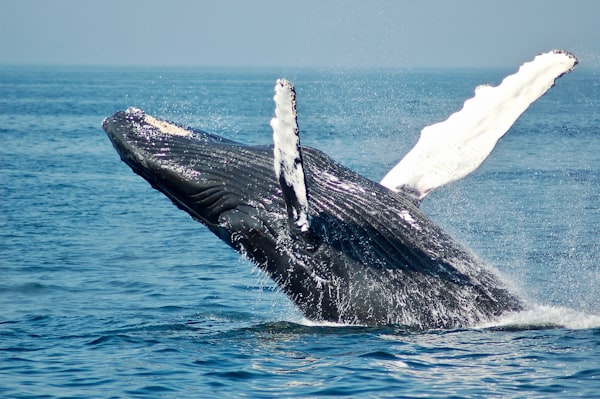
Europe's whale-watching capital, where humpbacks and even blue whales surface in Skjálfandi Bay through the summer season.
Europe's most powerful waterfall, a thunderous wall of glacial water you feel through the ground long before you see it.
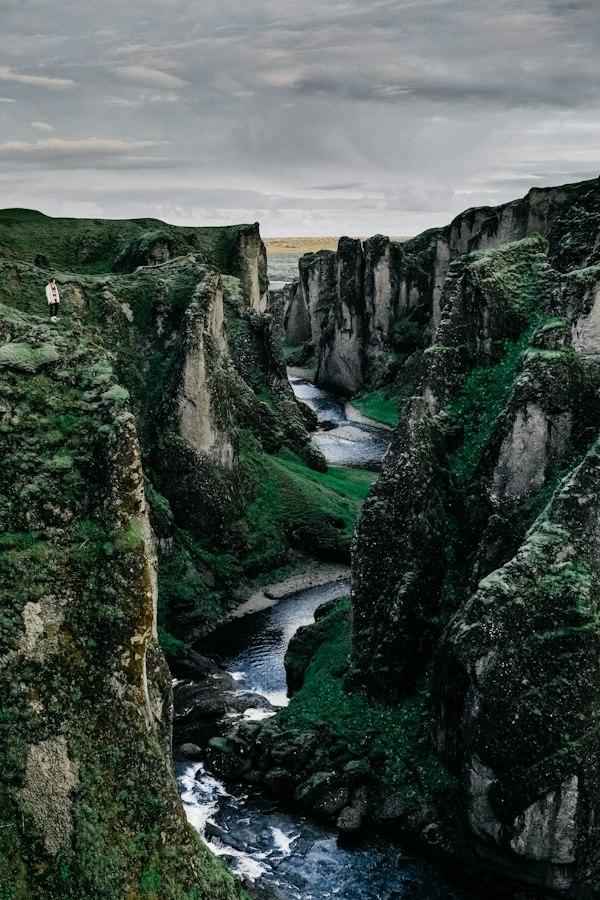
A vast horseshoe canyon of sheer cliffs and still forest, woven into Icelandic legend as a hoofprint of Odin's horse.
Námaskarð and Krafla steam and hiss in earth-toned colour, Iceland's raw geology on full, accessible display.
Hand-picked experiences from trusted local operators. Reserve in minutes, with instant confirmation.
Sail Skjálfandi Bay with naturalist guides in search of humpbacks, minke and dolphins.
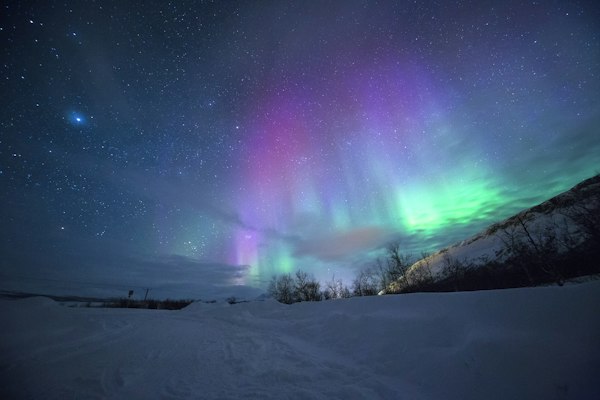
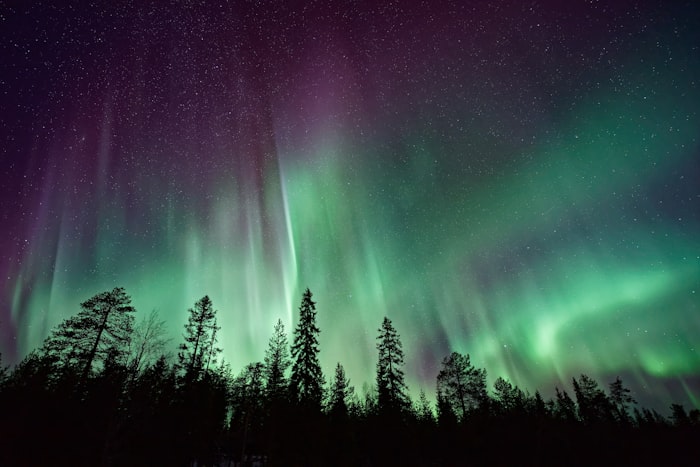
Chase the aurora over quiet northern skies, then warm up in mineral-rich geothermal water.
Goðafoss, Mývatn, Dettifoss and Ásbyrgi in one guided loop with hotel pickup.
Glide across snow behind an eager team of huskies through the northern winter landscape.
When the snow settles, the North comes into its own. Northern lights ripple over wide, quiet valleys; geothermal lagoons stay warm whatever the weather; and the landscape turns to husky trails, snowmobile routes and shimmering ice caves.
It's a festive time, too. Akureyri glows as a true Christmas town, and out at Mývatn the 13 Icelandic Yule Lads come down from the mountains one by one through December, a uniquely local way to spend the season.
The NorthEast pairs beautifully with the eastern fjords and the glacier-edged southeast.
From Mývatn it's an easy continuation east toward Egilsstaðir and the colourful villages of the fjords, or a scenic run south toward the glacier lagoon and the dramatic peaks of Stokksnes and Vestrahorn. Many travellers fly into Akureyri, explore the North, and drift onward into East Iceland for a richer, slower Iceland than the Reykjavík loop allows.
Quick answers for planning your NorthEast Iceland trip.
Yes. Akureyri Airport (AEY) receives direct international flights as well as short domestic flights from Reykjavík, so you can begin your trip in the North and explore from the moment you land.
The North's signature sightseeing route, linking Goðafoss, Lake Mývatn, Dettifoss, Ásbyrgi and the whale town of Húsavík. It's the North's answer to the Golden Circle.
Very much so, northern lights over quiet landscapes, warm geothermal lagoons, husky sledding and snowmobiling, ice caves, and a festive Christmas atmosphere including the 13 Yule Lads at Mývatn.
Three to five days gives you a relaxed pace around Akureyri and Mývatn. Even two nights covers the Diamond Circle highlights, while longer leaves room for whale watching and geothermal bathing.